Emperor goose
Anser canagicus
Emperor goose
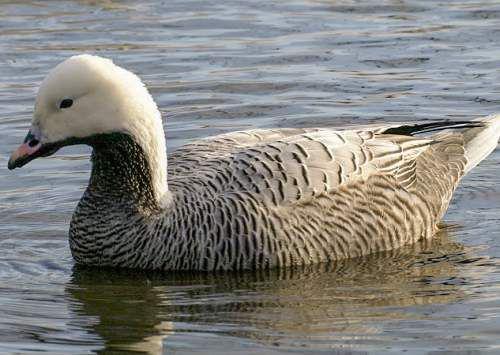
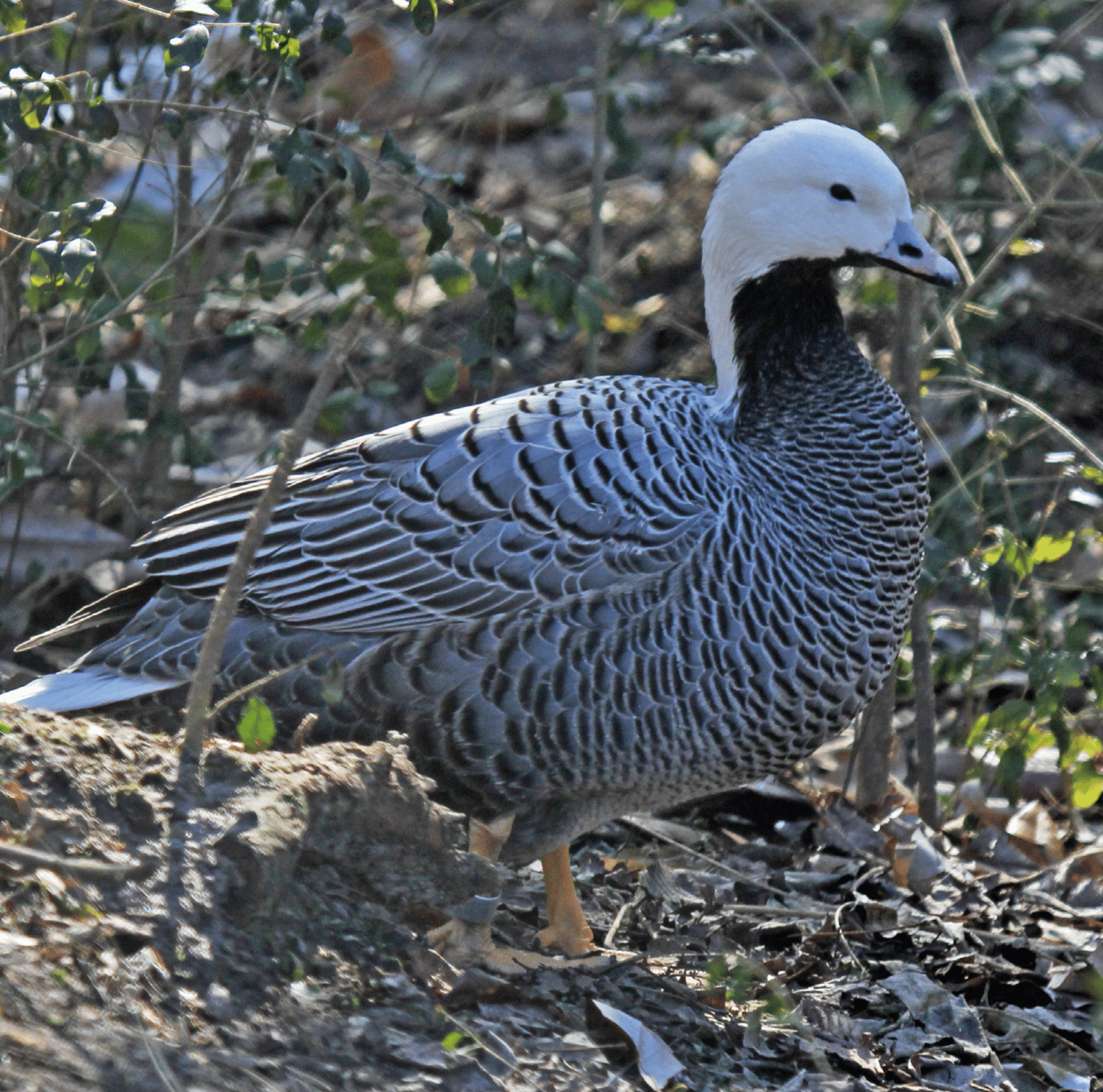
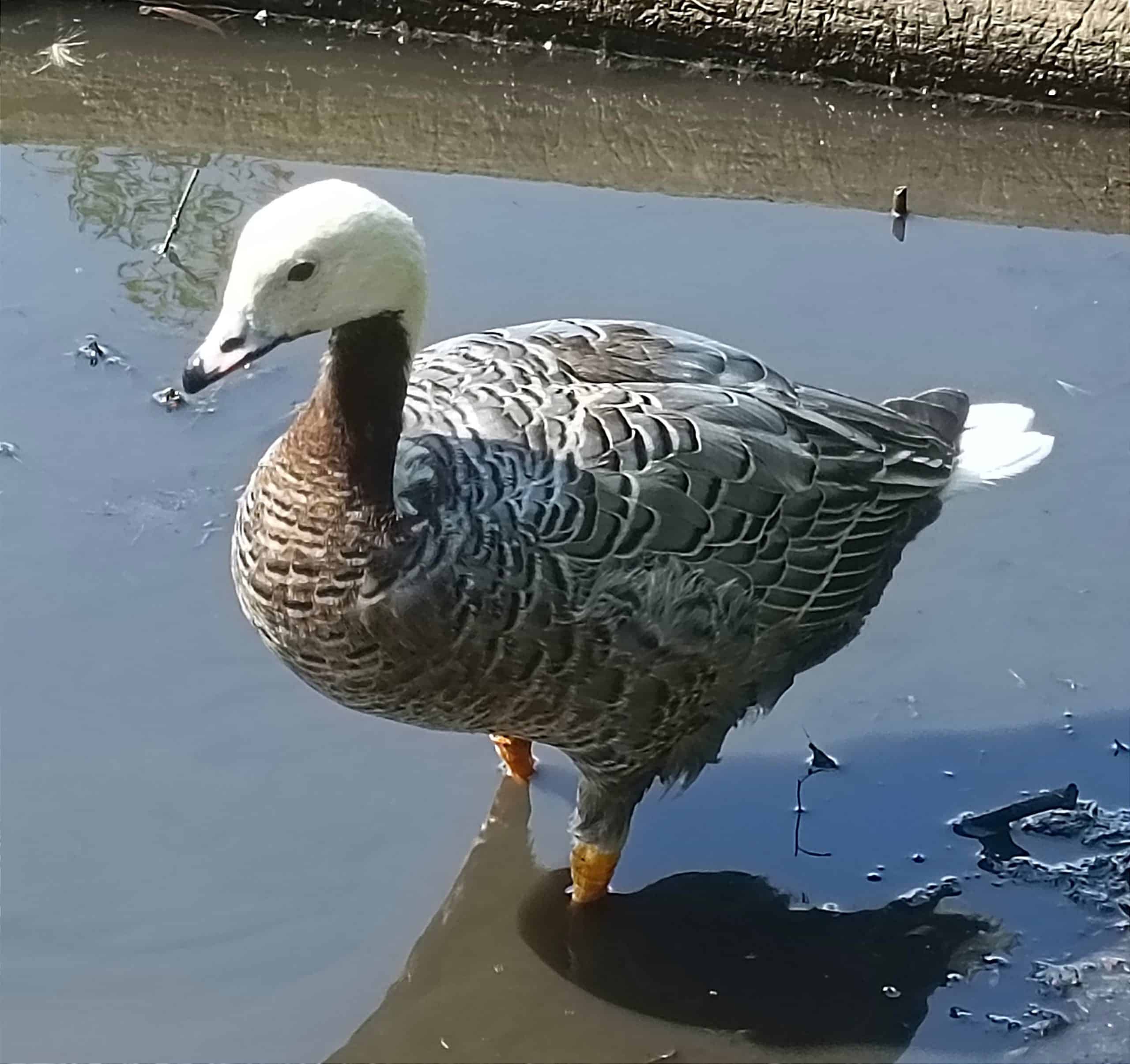
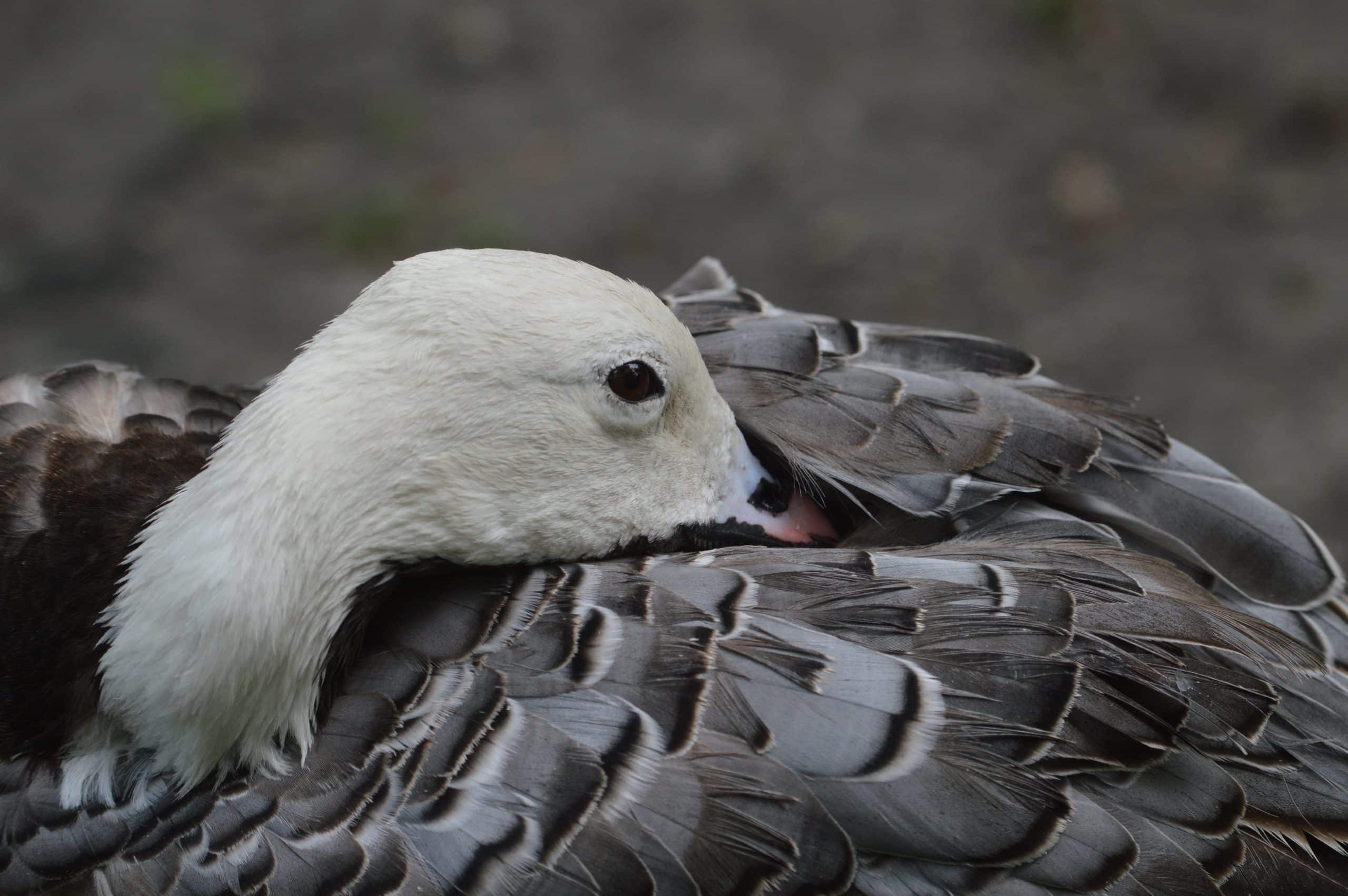
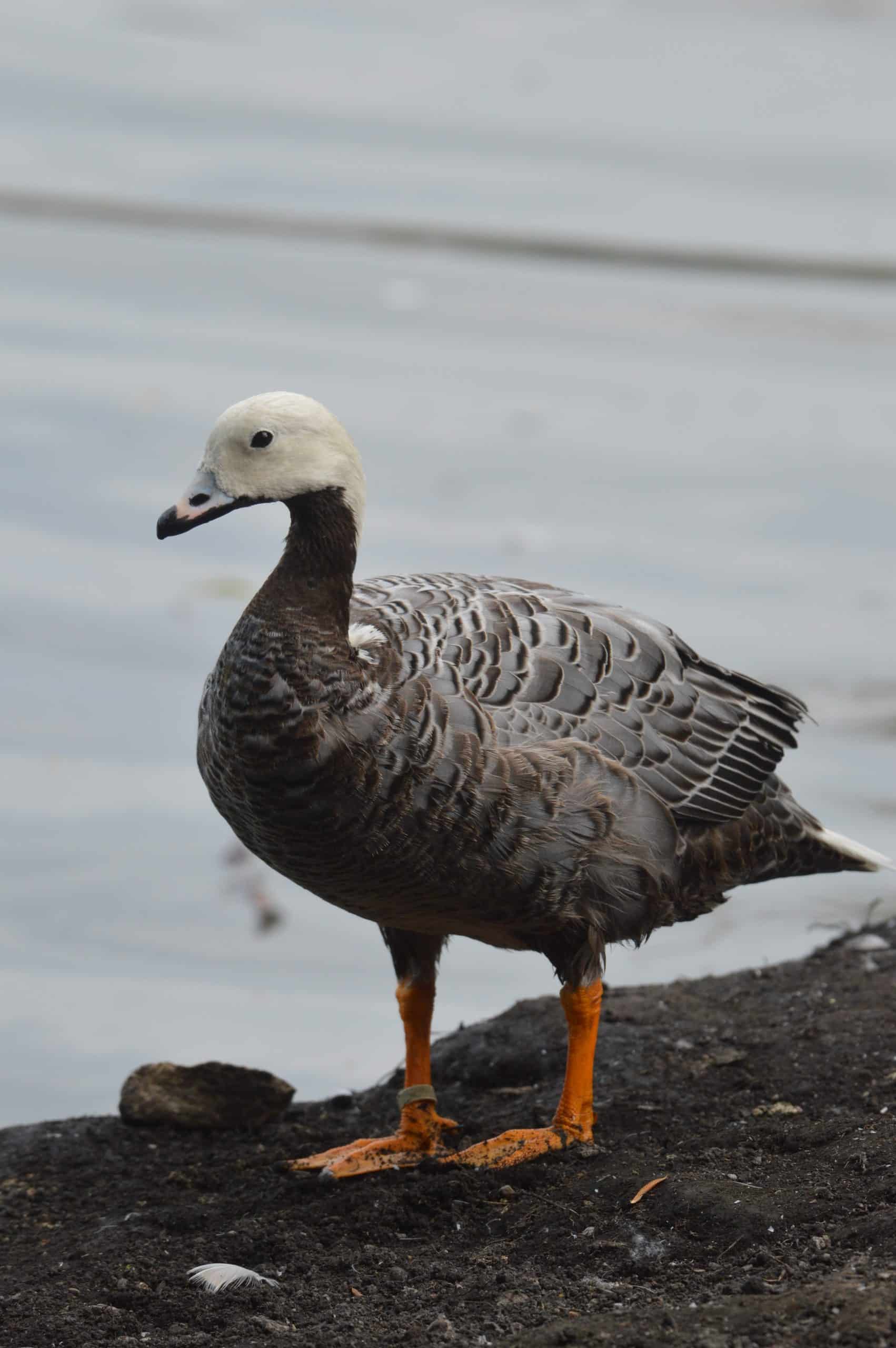
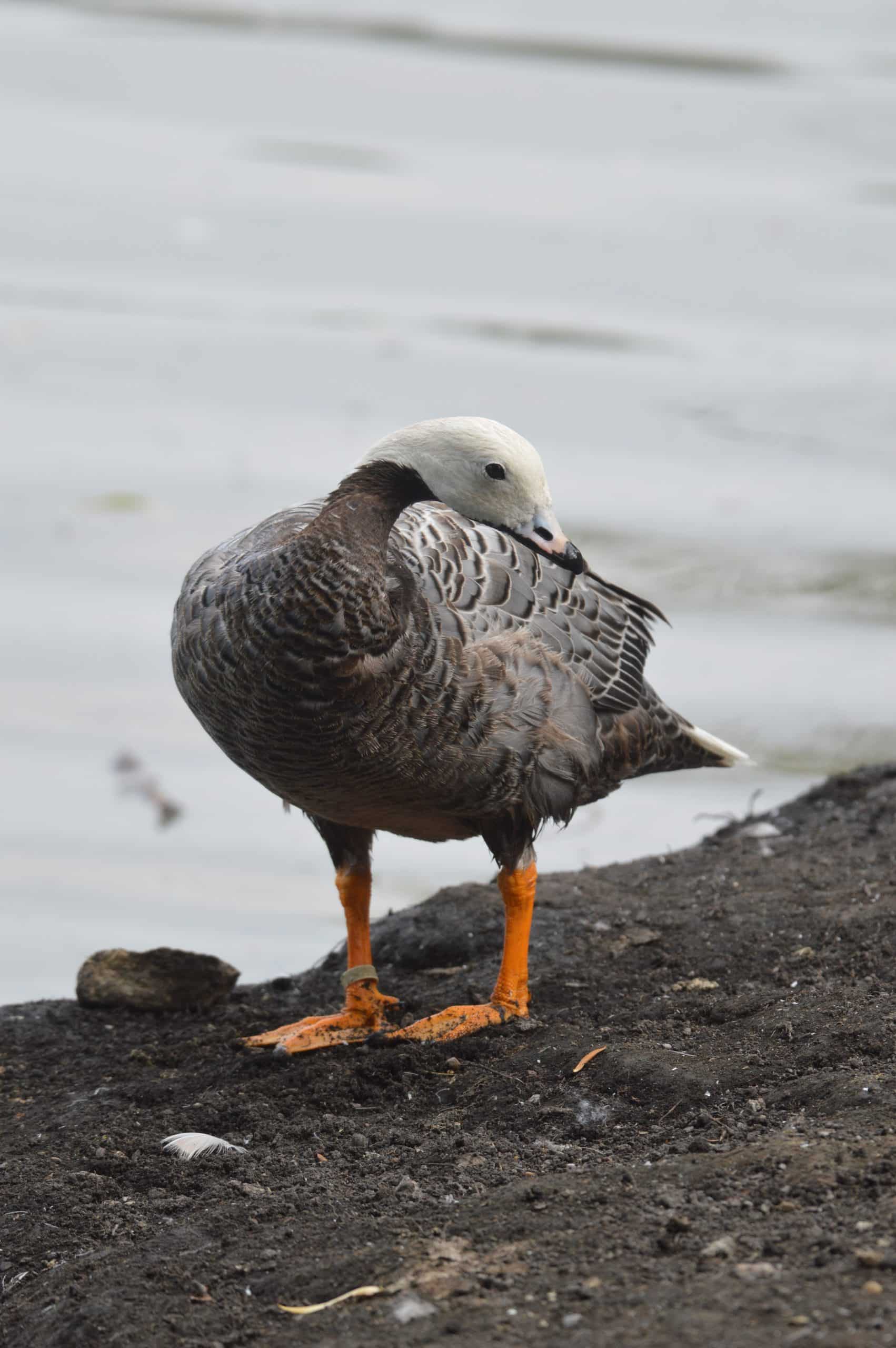
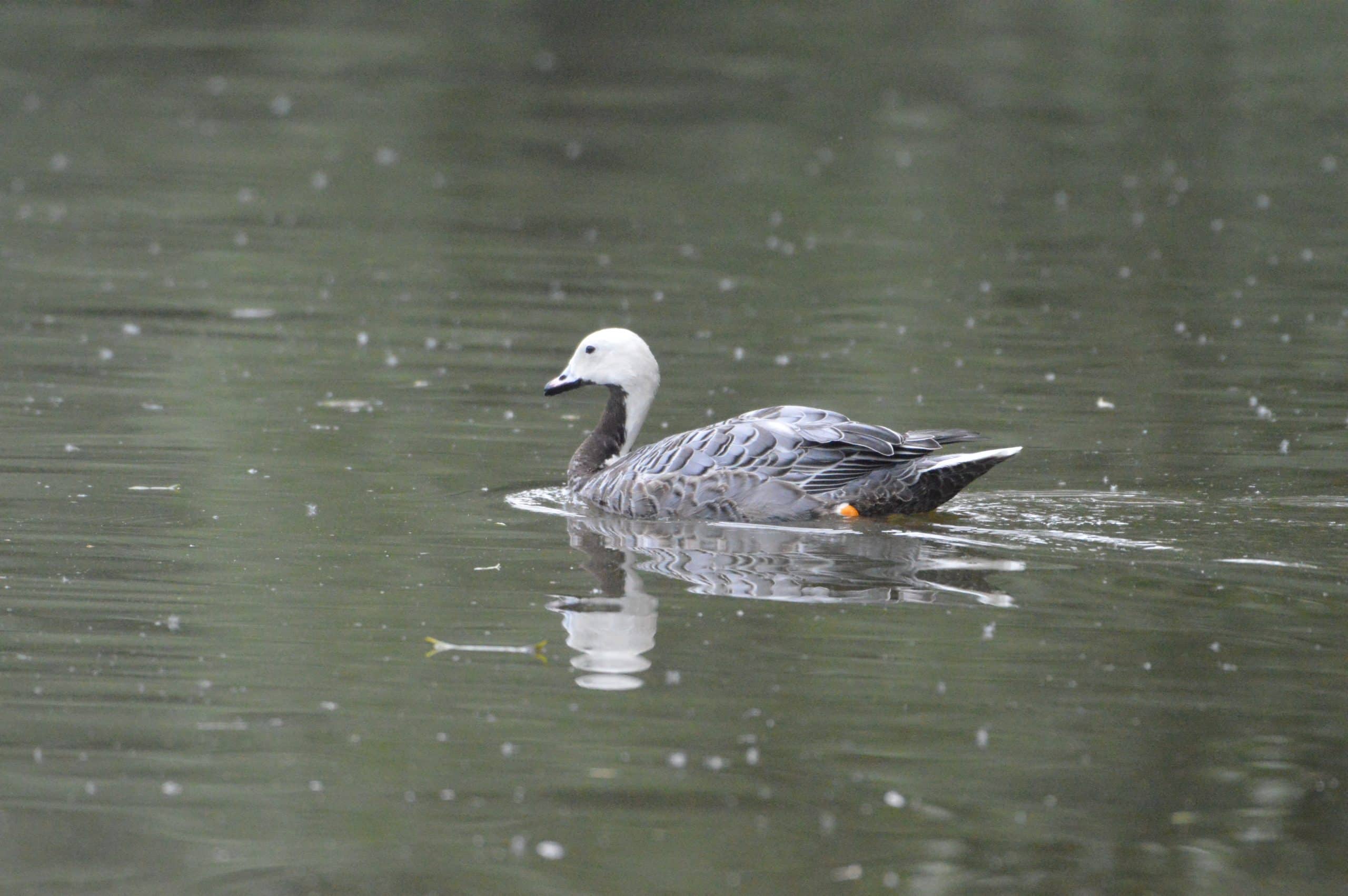
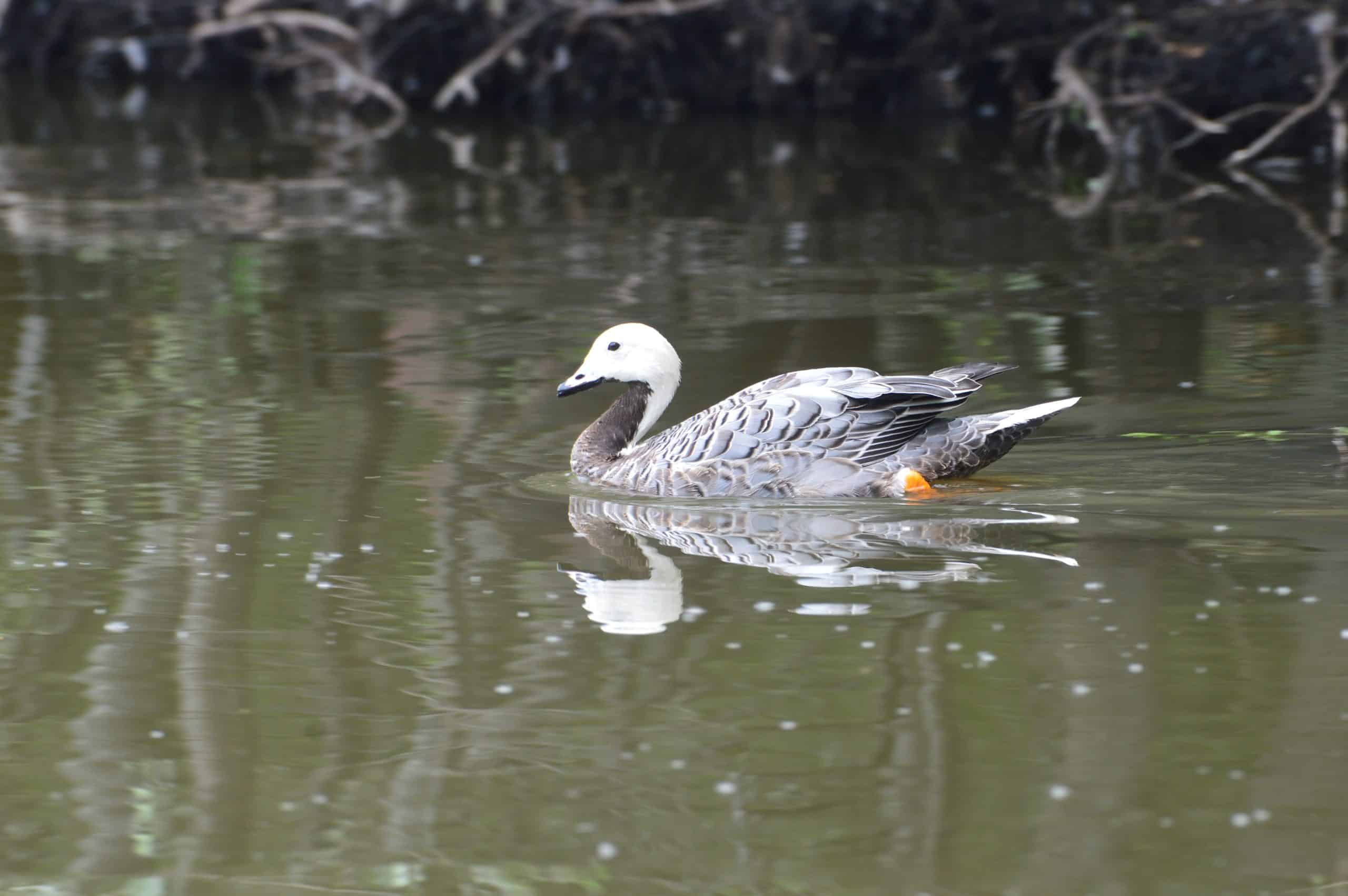
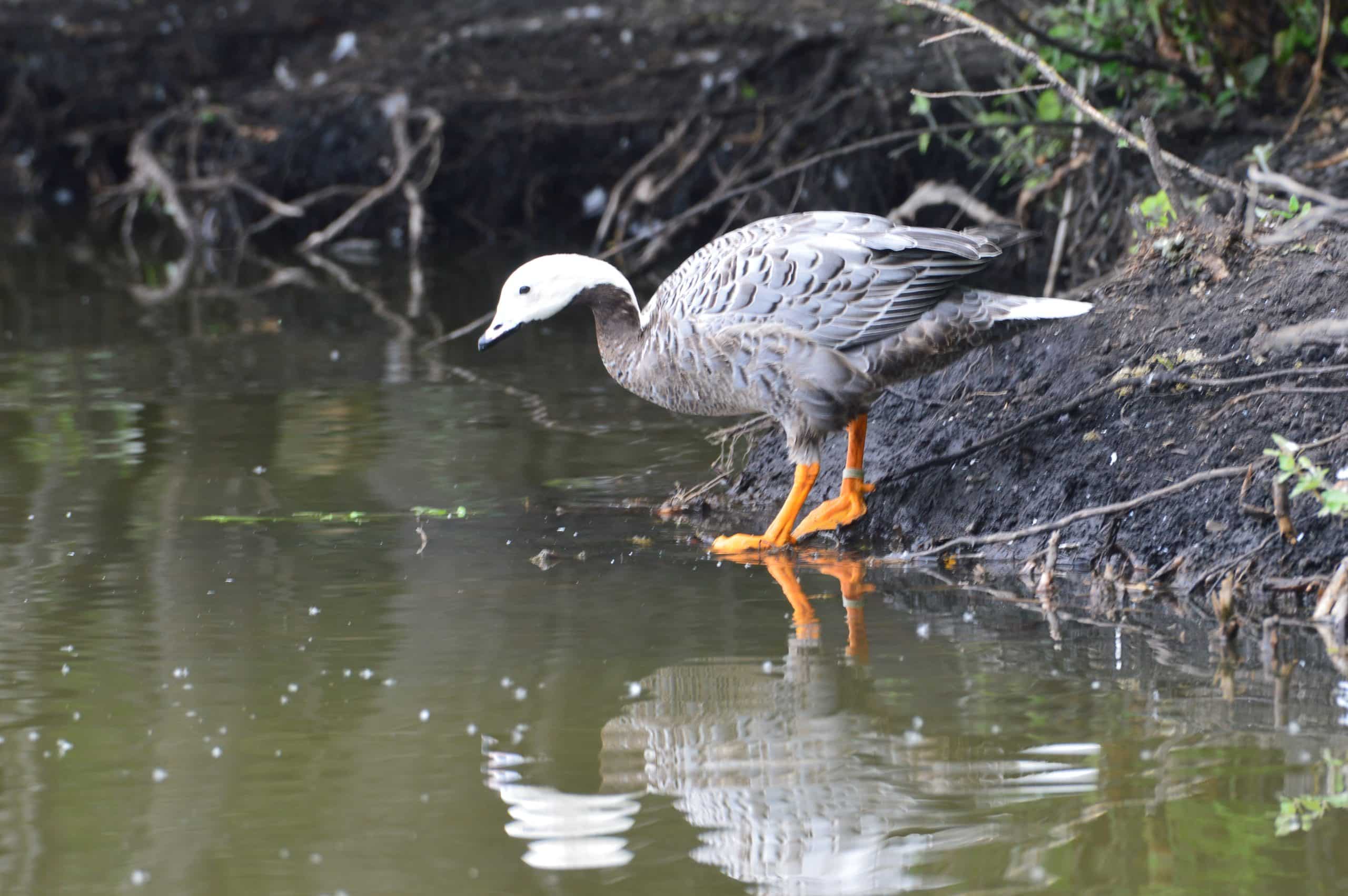
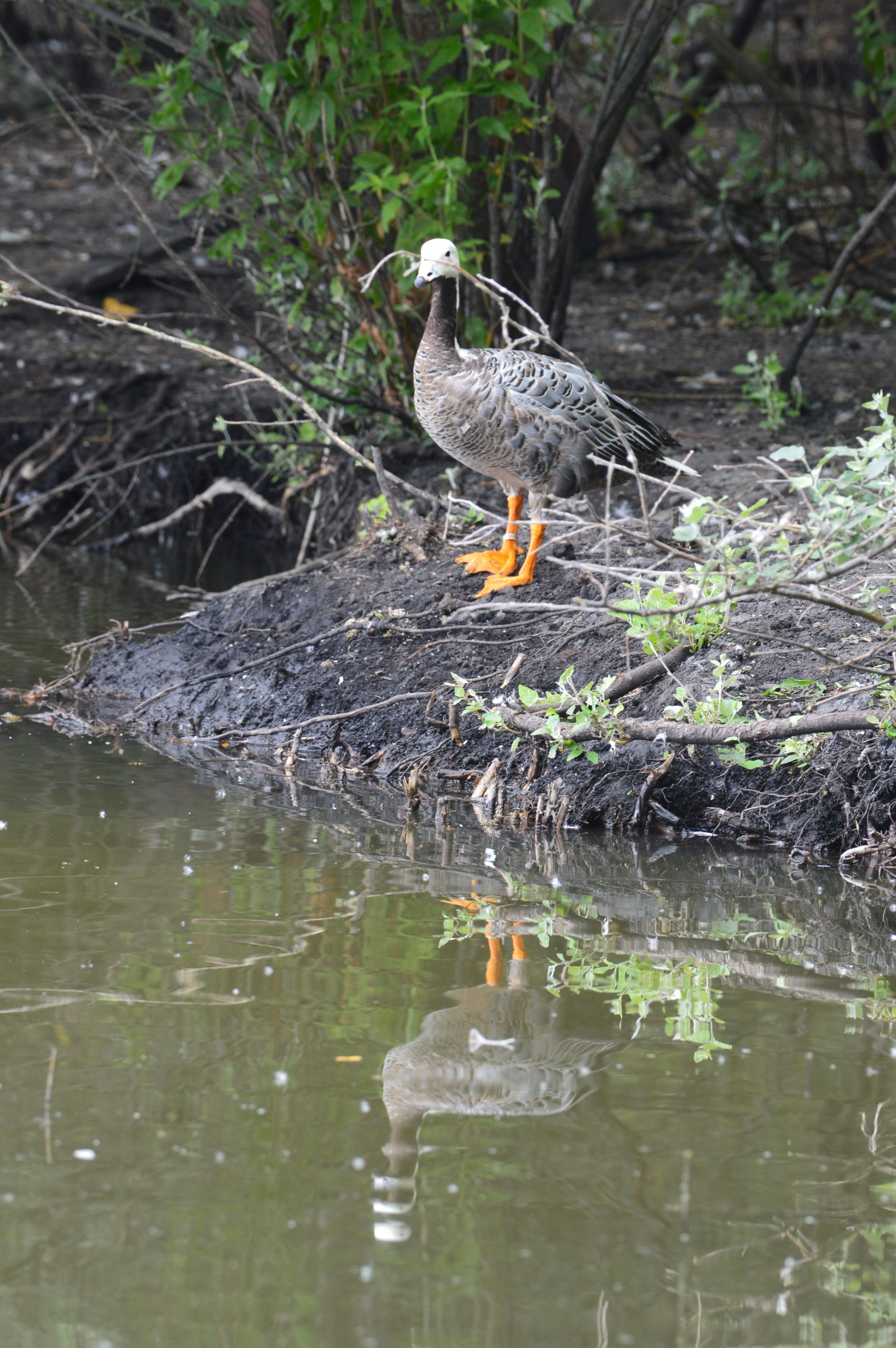
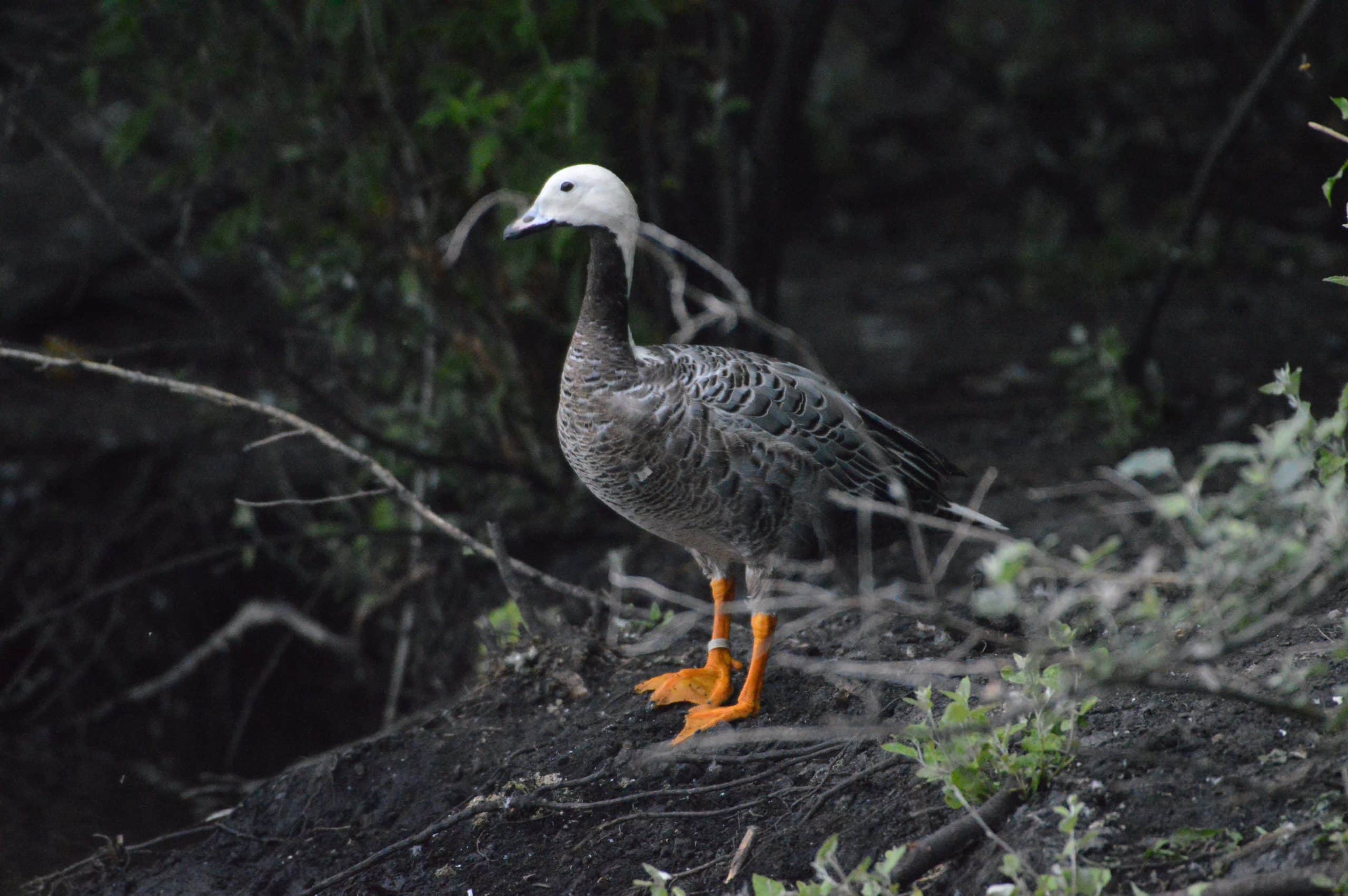
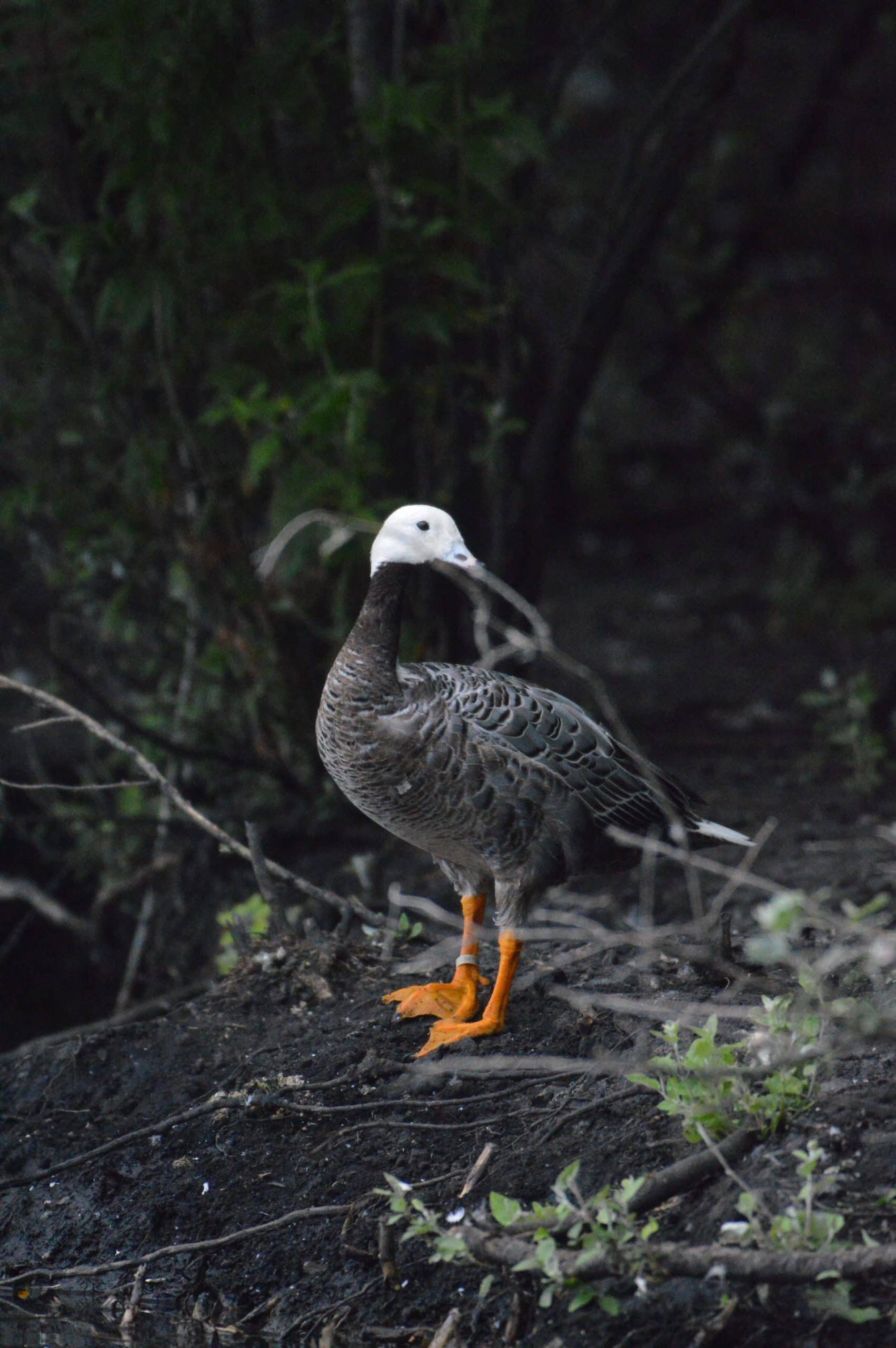
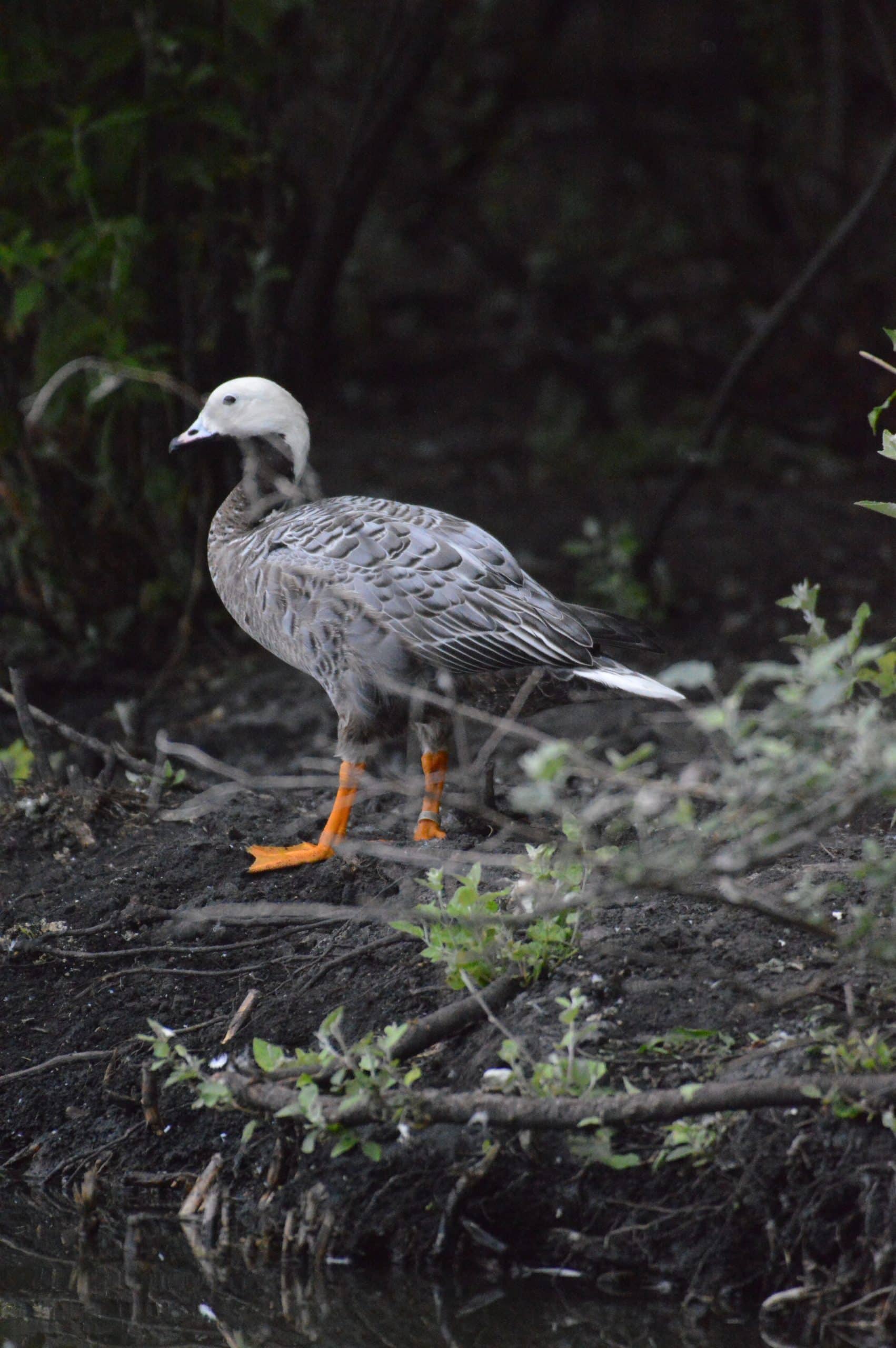
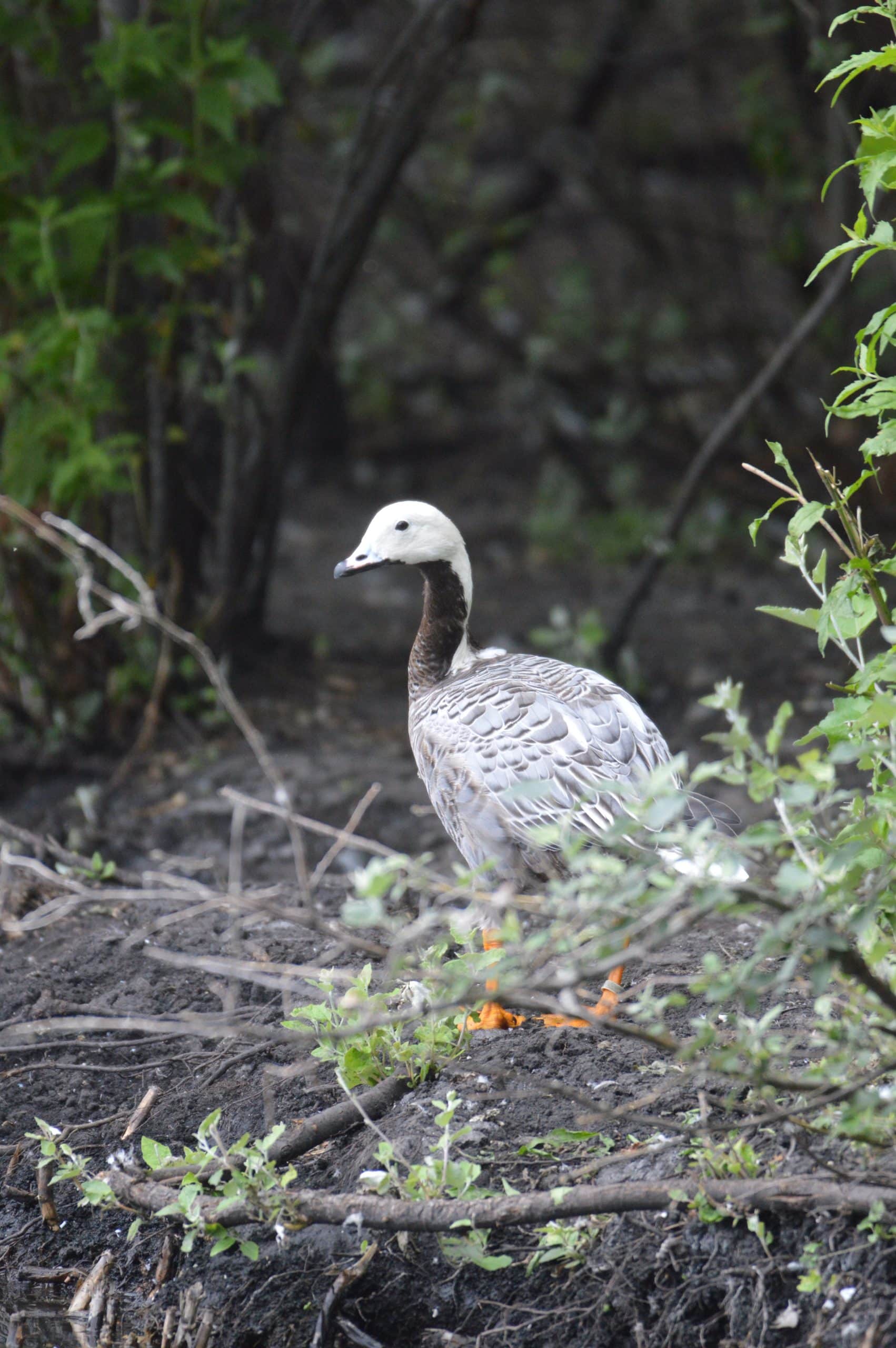
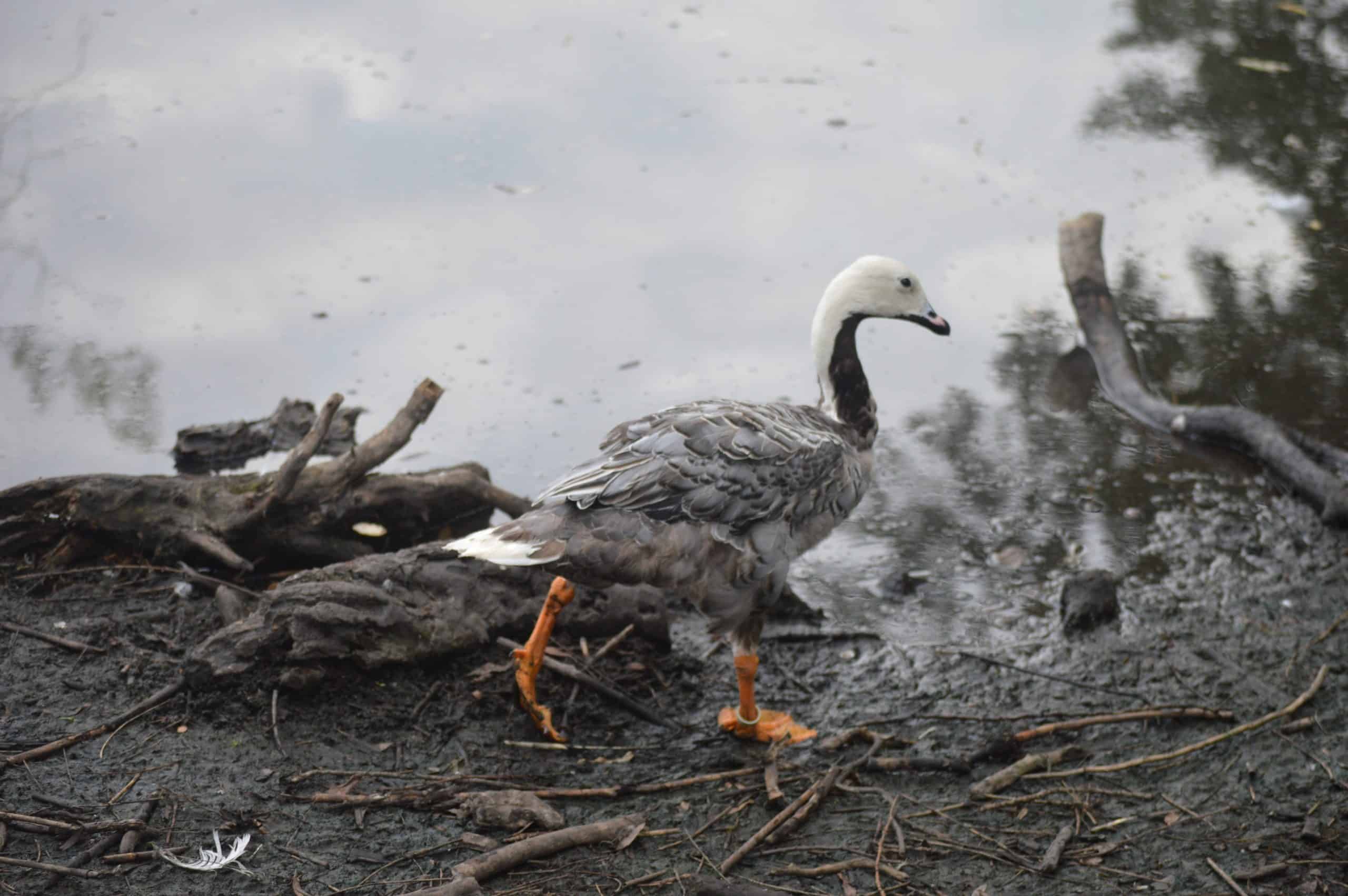
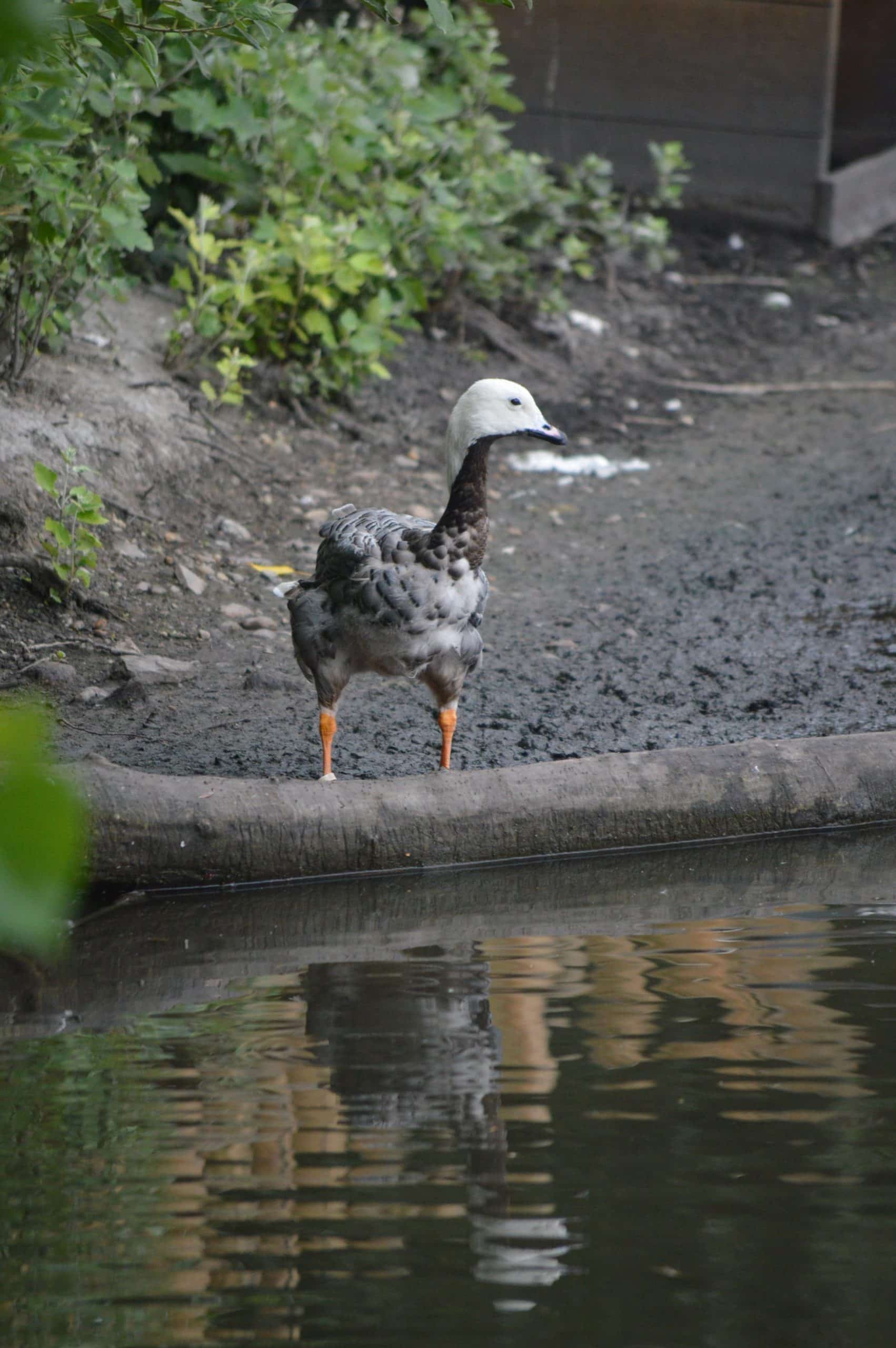
You can see imperial geese on our lake. Like other species of animals in the “lake” exhibit, they are kept more or less freely and are allowed to move around the entire area of the lake and its surrounding area. You can identify these unsociable northern geese by their typical white head and gray-black body coloring.
These animals cannot be adopted.
It has a sturdy blue-grey body with black and white spots. The head and back of the neck are white and coloured amber yellow. It is also distinguished by its black chin and throat, white tail, pink beak tipped with white, and yellow-orange legs and feet. The underside of the wings is grey.
The goslings are greyish white in colour and have grey, brown, or black feet and a white area around the beak for the first three weeks after hatching.
It is a non-social species with strong monogamous bonds. Individuals of the species usually associate only with their family; larger flocks can be observed during the breeding season. They have only one mate during their lifetime, unless they die at a young age.
They favour tundra, swamps, coasts, and freshwater lakes. The female builds the nest, but the male guards it. Only the female incubates. The hatchlings are independent, able to walk, swim, and feed themselves several hours after hatching. They are usually able to leave the nest the same day, although they remain with their parents for at least two more months. They can fly at the age of 50-60 days.
The heads of adults often turn reddish-brown in summer as they feed in areas containing iron oxide.
Only 10% of emperor goose chicks live more than one year.
It is one of the most unsocial species of geese.
Emperor goose
Anser canagicus
Emperor goose
Date of hatching
Unknown
Order
Family
BODY LENGTH
65-70 cm
Weight
2,3-3,1 kg
LIFE EXPECTANCY
ca 12 years, in captivity up to 25 years
WINGSSPAN
ca 119 cm
INCUBATION PERIOD
24 days
NUMBER OF EGGS
2-8 (usually 4-6) eggs
Occurrence
North America, northeastern Asia
Food
shoots, roots, berries, bivalves, algae
You can see imperial geese on our lake. Like other species of animals in the “lake” exhibit, they are kept more or less freely and are allowed to move around the entire area of the lake and its surrounding area. You can identify these unsociable northern geese by their typical white head and gray-black body coloring.
These animals cannot be adopted.
It has a sturdy blue-grey body with black and white spots. The head and back of the neck are white and coloured amber yellow. It is also distinguished by its black chin and throat, white tail, pink beak tipped with white, and yellow-orange legs and feet. The underside of the wings is grey.
The goslings are greyish white in colour and have grey, brown, or black feet and a white area around the beak for the first three weeks after hatching.
It is a non-social species with strong monogamous bonds. Individuals of the species usually associate only with their family; larger flocks can be observed during the breeding season. They have only one mate during their lifetime, unless they die at a young age.
They favour tundra, swamps, coasts, and freshwater lakes. The female builds the nest, but the male guards it. Only the female incubates. The hatchlings are independent, able to walk, swim, and feed themselves several hours after hatching. They are usually able to leave the nest the same day, although they remain with their parents for at least two more months. They can fly at the age of 50-60 days.
The heads of adults often turn reddish-brown in summer as they feed in areas containing iron oxide.
Only 10% of emperor goose chicks live more than one year.
It is one of the most unsocial species of geese.